


- Comparing Streaming Setup Performance for UK Viewers
- Hardware and Operating System Speed
- App Selection and Software Support
- Platform Restrictions
- Universal Compatibility
- Picture Quality, Audio Standards, and Format Matching
- Network Stability and Broadband Requirements
- Cost Efficiency and Long-Term Lifespan
- The Verdict: Which Approach Should You Choose?
Comparing Streaming Setup Performance for UK Viewers
Buying a brand-new 4K television usually feels like a complete package. You unbox it, attach the stand, connect to your home Wi-Fi, and expect every app to fly. For the first few months, built-in television platforms feel effortless. Then, software updates hit. Menus lag. Apps start crashing during peak evening viewing hours. Suddenly, that expensive display feels surprisingly sluggish.
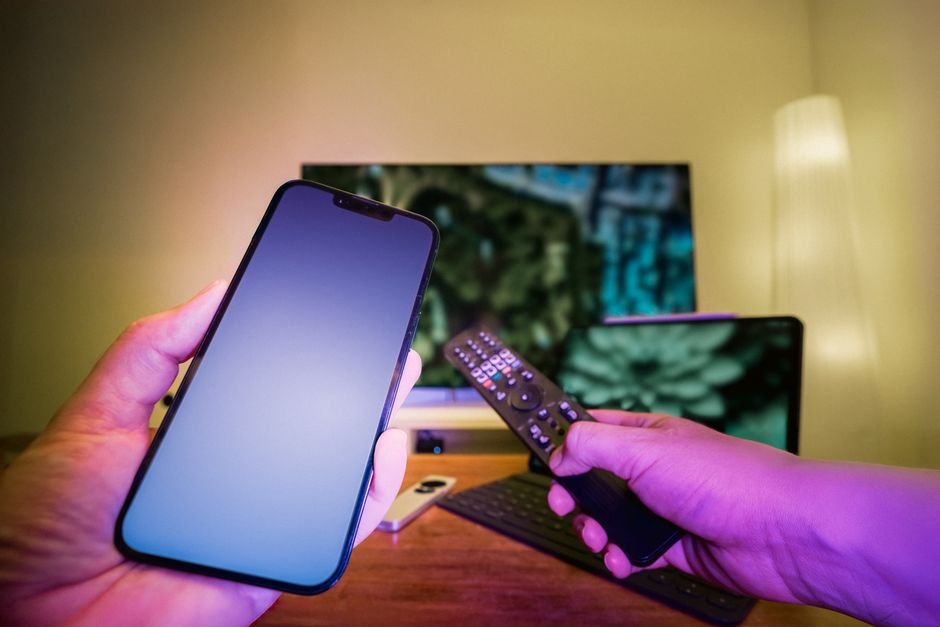
This frustration drives thousands of UK households to consider adding a dedicated external media player. Connecting a dedicated box or stick creates a distinct hardware split. Do you stick with your display’s built-in OS, or do you hand over operating duties to a dedicated external player? Let’s break down how a modern plug-and-play streaming puck vs smart tv apps perform across speed, platform support, picture output, and long-term value.
Hardware and Operating System Speed
Television manufacturers prioritize panel quality over processor power. Even high-end OLED displays frequently ship with minimal system RAM and low-tier chipsets. They run native operating systems like LG’s webOS or Samsung’s Tizen acceptably well on day one. However, third-party developers constantly expand their software footprints. Within two or three years, built-in interfaces often struggle to keep up.
External hardware operates on a completely different standard. Devices like the Apple TV 4K, Amazon Fire TV Stick 4K Max, or Roku Streaming Stick use much faster processors. They handle interface transitions with ease. App launch times are significantly quicker on dedicated hardware. Navigating busy content rails on Netflix or BBC iPlayer rarely causes hitching or delayed button presses. If speed and fast navigation matter to you, external gear takes an early lead.
App Selection and Software Support
UK viewers need seamless access to both global giants and local public broadcasters. A great setup must support BBC iPlayer, ITVX, Channel 4, and My5 alongside Netflix, Prime Video, and Disney+. This balance is where integrated systems can hit unexpected roadblocks.
Platform Restrictions
Proprietary television systems frequently suffer from commercial disputes or abandoned software development. Samsung sets lack native support for certain niche sports apps. Older smart platforms lose access to updated catch-up services entirely. When a manufacturer drops support for a platform, your only fix is buying a new set or adding an external player.
Universal Compatibility
External media sticks run on broad operating systems like Android TV, Fire OS, or tvOS. Developers prioritize these platforms because they reach tens of millions of active users worldwide. Updating software across these devices happens automatically and frequently. You rarely find a mainstream service missing from a modern streaming stick. If you want to use specialized tools like an IPTV box setup for smart streaming, dedicated external hardware offers far greater flexibility than locked-down television firmware.
Picture Quality, Audio Standards, and Format Matching
Native television apps actually hold one major structural advantage: direct integration with the panel’s internal display pipeline. When you launch a 4K HDR video inside a native TV app, the operating system knows exact panel capabilities. Frame-rate matching, dynamic HDR adjustment (Dolby Vision or HDR10+), and local dimming controls execute directly on the display silicon.
External players route video signals through an HDMI port. This setup introduces potential bottlenecks:
- Frame Rate Judder: Some external pucks force a uniform 60Hz output signal. Matching 24fps film content requires active auto-frame-rate matching inside device settings. If misconfigured, motion can look stuttery.
- Audio Passthrough: Routing high-bitrate audio formats like Dolby Atmos through HDMI eARC to a soundbar requires proper TV passthrough configuration. Native TV apps handle basic sound formats cleanly without extra cables.
- HDMI Port Usage: Plugging in an extra puck takes up a high-bandwidth HDMI 2.1 slot. Gamers with multiple consoles often prefer keeping built-in apps active to save ports.
However, top-tier external devices handle these technical hurdles easily. Modern Apple and Roku streaming units feature automatic matching for both frame rate and dynamic range. Once configured properly, visual output matches or exceeds native television software.
Network Stability and Broadband Requirements
Broadband speed dictates stream stability across all platforms. UK regulatory body Ofcom reports that average UK home broadband speeds exceed 60 Mbps, which is more than enough for multiple simultaneous 4K feeds. However, poor Wi-Fi reception ruins streaming regardless of your device.
Smart TVs are notoriously difficult to reposition. Their internal Wi-Fi antennas sit behind metal shielding or large panel assemblies pushed flat against walls. If your router sits in another room, wireless signals suffer. Plug-and-play streaming pucks often catch better wireless coverage simply due to their position away from direct panel interference. Many external media devices also offer dedicated Ethernet adapter accessories, allowing rock-solid wired connections for high-bitrate video streams.
Cost Efficiency and Long-Term Lifespan
The average UK household replaces their main living room television every six to eight years. Unfortunately, most built-in smart TV platforms only receive full operating system updates for two to three years. After that period, the panel remains visually excellent, but the smart interface becomes sluggish and unsupported.
Choosing an external hardware route changes this dynamic entirely. Spending £40 to £140 on a dedicated streaming device extends the usable lifespan of your existing television display by years. When the external stick eventually grows outdated, replacing it costs a fraction of buying a new 4K set.
The Verdict: Which Approach Should You Choose?
Deciding between a dedicated streaming puck vs smart tv apps comes down to the age of your television and your patience for menu lag.
Stick with native Smart TV apps if:
- Your television is less than two years old and running smoothly.
- You only watch major platforms like BBC iPlayer, Netflix, and Amazon Prime Video.
- You want a single remote control without managing extra HDMI inputs.
- You want to keep all HDMI ports free for games consoles and soundbars.
Switch to a dedicated streaming puck if:
- Your television interface feels slow, unresponsive, or crashes frequently.
- You are missing critical UK catch-up apps or niche streaming platforms.
- Your television’s built-in Wi-Fi regularly drops connection.
- You want a fast, modern streaming experience without spending hundreds on a replacement television.
For most UK households, investing in a separate streaming puck provides a noticeably smoother, faster, and more reliable viewing experience that easily justifies the small upfront cost.
For more information, IPTV UK.