
- 1. It Replaces Satellite Dishes with Broadband Packets
- 2. Three Distinct Delivery Models Drive the Tech
- 3. Broadband Speed Makes or Breaks Your Picture
- 4. Dedicated Hardware Improves Processing
- 5. The UK Legal Framework Is Very Clear
- 6. Pay TV Packages Are Shifting Away from Satellite
- Frequently Asked Questions
- Do I need a TV Licence for IPTV in the UK?
- Can I use IPTV over Wi-Fi?
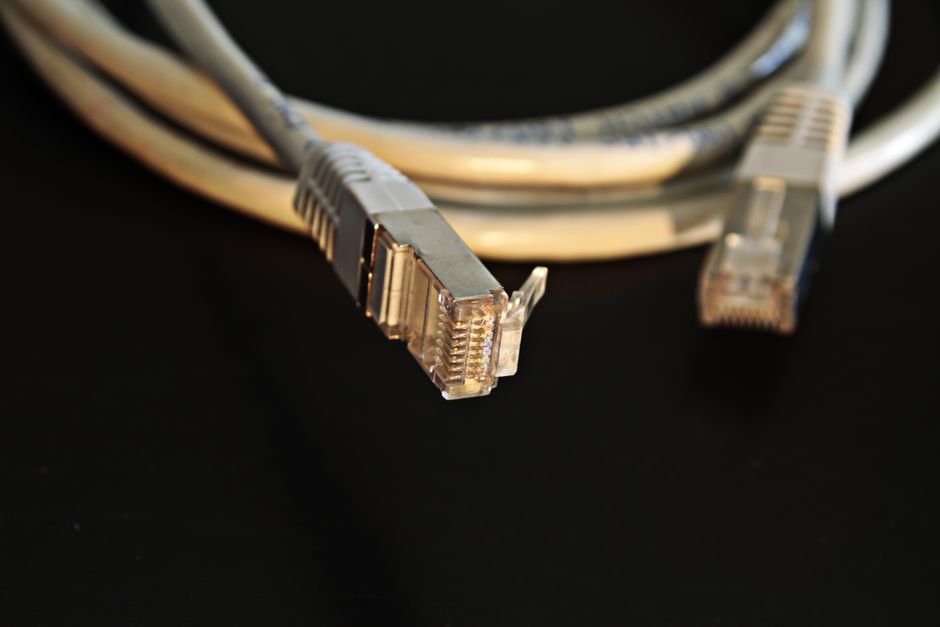
1. It Replaces Satellite Dishes with Broadband Packets
Traditional TV relies on radio waves sent from direct-broadcast satellites or terrestrial masts like Crystal Palace. Internet Protocol Television takes a completely different path. It breaks down video broadcasts into data packets, pushing them directly through your home fibre line using standard internet protocols.
When you ask what is IPTV and how does it work, the core answer lies in data delivery. Instead of receiving every channel simultaneously—the way traditional coax cables operate—your display device requests a specific stream. The server responds by sending only the data needed for that channel. This saves bandwidth and allows for interactive features like catch-up TV.
2. Three Distinct Delivery Models Drive the Tech
Not all internet television operates the same way. Most services fall into three clear technical delivery formats:
- Video on Demand (VOD): Services like Netflix or BBC iPlayer let you select a program from a library. The server sends it to your screen immediately.
- Time-Shifted Media: Allows you to watch catch-up broadcasts or pause live broadcasts. If you missed tonight’s news, you can pull it from the server’s cache.
- Live Streaming: Delivers linear television in real time. It’s popular for sports and breaking news, where latency must stay minimal.
Each format uses tailored transport systems. If you want to dive deeper into the technical backend, our breakdown on understanding IPTV protocols explains how IGMP and RTSP keep these streams stable.
3. Broadband Speed Makes or Breaks Your Picture
Your connection speed dictates your picture quality. A poor connection leads to buffering wheels or sudden resolution drops. Here are the realistic internet speeds required per stream in a UK household:
| Resolution | Minimum Recommended Speed | Ideal Connection Type |
|---|---|---|
| Standard Definition (SD) | 3 to 5 Mbps | Basic Broadband |
| High Definition (HD) | 10 to 15 Mbps | Superfast Fibre (FTTC) |
| 4K Ultra HD | 25 to 50 Mbps | Full Fibre (FTTP) |
Remember that household usage adds up. If someone in the next room downloads a massive game patch while you watch 4K live football, your stream will struggle. For persistent connection hiccups, practical smart TV buffering fixes often resolve routing bottlenecks without requiring a full hardware upgrade.
4. Dedicated Hardware Improves Processing
Smart TVs carry built-in streaming apps, but their internal processors often lack horsepower. Dedicated set-top boxes handle high-bitrate video decoding far better than budget television sets.
Many viewers in the UK opt for dedicated hardware like the Amazon Fire TV Stick 4K Max, Formuler devices, or Nvidia Shield. Choosing a capable Android TV box for IPTV gives you access to custom middleware interfaces, superior storage, and smoother menu navigation.
5. The UK Legal Framework Is Very Clear
Is the technology legal? Absolutely. IPTV is simply a transmission method. Legitimate services operating in the UK—including Sky Stream, BT TV, Virgin Stream, and the BBC—use this technology to deliver content directly to homes.
However, illegality creeps in when providers distribute copyrighted channels without broad broadcasting licences from copyright owners or Ofcom. Unauthorised services offering premium sports channels and pay-per-view events for pennies usually operate illegally. Rights holders actively work with UK Internet Service Providers (ISPs) to block these illicit servers, particularly during major sporting events.
6. Pay TV Packages Are Shifting Away from Satellite
Traditional broadcasting is fading. Sky has shifted major sales focus toward Sky Glass and Sky Stream, signaling a eventual phase-out of traditional dish installations. BT has similarly moved its core television subscription base to broadband-led setups.
Understanding how Internet Protocol television functions helps you make sense of this changing landscape. As UK telecoms replace old copper lines with full-fibre networks, internet-delivered broadcasting will quickly become the standard way every British household watches television.
Frequently Asked Questions
Do I need a TV Licence for IPTV in the UK?
Yes, if you watch live TV on any provider, or use BBC iPlayer. A TV licence is required by UK law regardless of whether the live broadcast arrives via aerial, satellite dish, or broadband internet connection.
Can I use IPTV over Wi-Fi?
Yes, though an Ethernet cable is usually better. Wi-Fi connections suffer from local wireless interference, wall density obstruction, and temporary speed drops, which cause unwanted buffering during high-bitrate live streams.
For more information, IPTV UK.