
The 1960s Deal That Fixed Saturday Afternoon Football
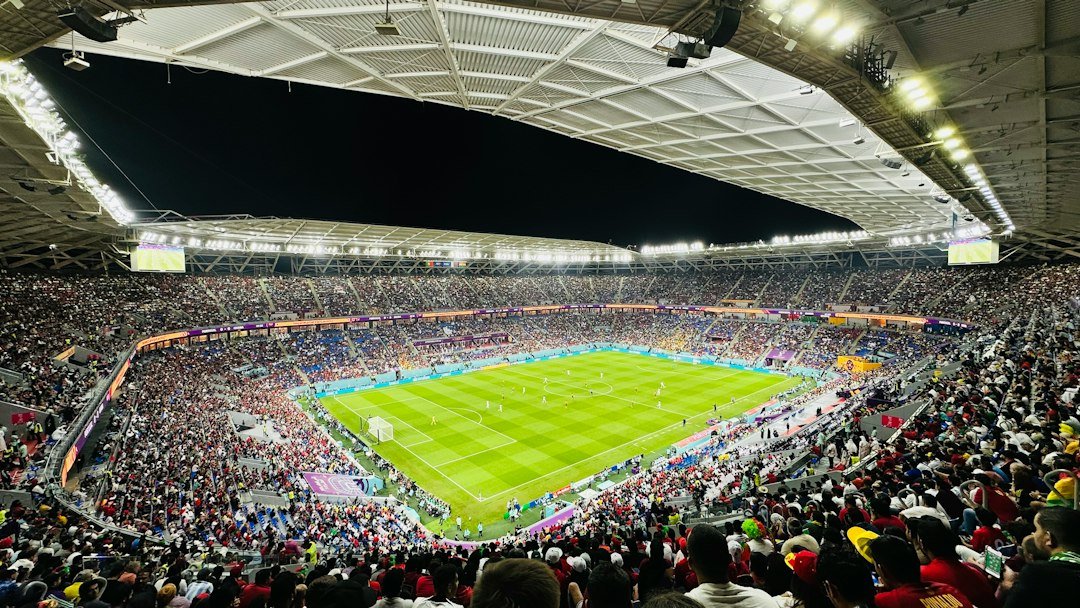
Every Saturday at 2:45 pm, football fans across Britain settle into their sofas or local pubs. Radio commentators clear their throats, livescore apps start pinging, and matchday studio hosts switch over to live commentary. Yet, between 2:45 pm and 5:15 pm, not a single screen in the country is legally allowed to broadcast a live football match from any league in the world. This traditional gap in television listings is down to the UK 3pm blackout rule, a broadcasting policy that has governed British football viewing habits for over six decades.
The rule dates back to the 1960s. Bob Lord, the forward-thinking chairman of Burnley FC, convinced fellow Football League chairmen that televised afternoon matches would destroy matchday attendance. Lord argued that if fans could watch top-tier fixtures on TV from their living rooms, lower-league clubs would suffer empty turnstiles. The authorities agreed. UEFA eventually enshrined the protection under Article 48 of its statutes, allowing national associations to pick a two-and-a-half-hour window on Saturdays to block live televised matches.
How the Saturday Afternoon TV Shield Actually Works
The core mechanic of Article 48 is surprisingly strict. It does not just block Premier League matches kicked off at 3:00 pm on a Saturday. It covers any live football match broadcast anywhere in the UK during that window. If El Clásico between Real Madrid and Barcelona kicks off in Spain at 3:00 pm UK time, British broadcasters must cut their stream or display a hold screen until 5:15 pm.
Broadcasters like Sky Sports, TNT Sports, and the BBC plan their entire weekend schedules around this prohibition. Lunchtime kick-offs usually start at 12:30 pm, while late Saturday games kick off at 5:30 pm. Sunday slots stay free from the restriction entirely, which explains why broadcast schedules stack so many major fixtures into Sunday afternoons.
Lower-league clubs remain the strongest defenders of this rule. Teams in League One, League Two, and the National League rely heavily on matchday ticket sales, pie sales, and programme purchases to balance their budgets. Supporters who might otherwise buy a ticket for their local side stay at home if their favourite top-flight team is playing live on screen. Keeping turnstiles turning at non-league and lower-division grounds is the primary argument for keeping the block intact.
The Streaming Boom and the Pressure on Domestic TV Packages
Technology has changed the entire conversation around sports broadcasting. International rights holders in the United States, Scandinavia, Australia, and Asia routinely air every single Premier League fixture live, including every 3:00 pm Saturday kick-off. British fans often feel frustrated knowing that viewers abroad can watch matches that local match-goers cannot access on home television screens.
This frustration has shifted viewing habits toward official digital platforms and smart apps. Viewers routinely consult a guide to IPTV football listings to see which domestic fixtures are actually picked for live broadcast by official UK rights holders. The domestic broadcast rights packages continue to grow in value, but consumer demand for complete access to every match has never been higher.
Broadcasters are stuck in a tricky spot. Sky and TNT pay billions to secure English football rights packages, yet they can only broadcast a fraction of the total 380 Premier League games each season. Meanwhile, overseas networks show all 380 games. That contrast puts massive pressure on the domestic rights model every time a new broadcast auction comes around.
Is the 3pm Window Heading for Removal?
The English Football League (EFL) tested the waters recently when discussing its latest multi-year broadcast deal. Executives initially considered inviting bids for every single match across all four divisions, which would have meant tearing up the long-standing restriction. Ultimately, the EFL backed away from a full repeal, opting instead to increase the total number of televised games while preserving the core Saturday afternoon shield for standard regular-season games.
Women’s football has also highlighted the debate. The Women’s Super League (WSL) has sometimes found its fixtures scheduled during the Saturday window, prompting debates over whether the policy inadvertently limits the visibility of women’s sports. Some experts advocate for lifting the restriction exclusively for WSL matches or lower-tier games to help those leagues grow their viewer base.
What Would Replace the Traditional Blackout?
If the Football Association ever drops the traditional window, the UK market would likely move toward an all-inclusive streaming subscription model. The Premier League has long explored the concept of its own direct-to-consumer platform, often referred to by industry analysts as ‘PremFlix’. Under such a model, fans could purchase season passes to follow their specific club, regardless of kickoff times.
However, Premier League chief executives know that scrapping the rule requires broad consensus across the entire English football pyramid. Premier League clubs might benefit financially from selling direct access to every 3:00 pm game, but lower-league clubs would fight the proposal fiercely unless substantial financial compensation was guaranteed to make up for lost turnstile revenues.
What Viewers Need to Know Right Now
For now, the domestic blackout remains fully enforced across England, Scotland, Wales, and Northern Ireland. If you are tracking weekend fixtures, remember these practical rules of thumb:
- Saturday 3:00 pm kick-offs will never be shown live on UK television channels, including Sky Sports, TNT Sports, or terrestrial networks.
- Overseas streaming packages operate under different regional contracts and are governed by foreign broadcasting laws.
- Highlight shows such as BBC’s Match of the Day remain the primary legitimate way to watch full action from Saturday afternoon matches on domestic television screens.
- Sunday and mid-week evening matches face no 3:00 pm restrictions and are frequently selected for live broadcast.
The battle between traditional football culture and modern streaming expectations is far from settled. While the UK 3pm blackout rule has shielded grassroots attendance for decades, the push toward complete digital access for live sports makes the rule one of the most debated topics in modern British broadcasting.
For more information, IPTV UK.
Related reading
- Why Does IPTV Keep Buffering? 5 Myths vs Real Fixes for UK Viewers
- BBC iPlayer vs ITVX: Which UK Streaming Service Wins for Live Sports and Entertainment?